 0
0
 0
0
VIENNA — Wasp season is reaching its annual peak in Austria, with populations at their largest in August and early September. While most people experience only painful but harmless stings, experts are warning that an encounter with a wasp can be life-threatening for people with an insect venom allergy.
Gunter Sturm, head of the Reumannplatz Allergy Clinic in Vienna-Favoriten and the Clinical Allergology Research Group at the University Clinic of Dermatology in Graz, told the Austrian Press Agency (APA) that the risks are often underestimated.
For people with an allergy to insect venom, a sting can be “potentially life-threatening,” Sturm said.
According to the Austrian Road Safety Board (KFV), around seven people die in Austria each year as a result of insect stings. Recently, a 32-year-old man in Upper Austria died after being stung by a hornet. He apparently did not have his adrenaline auto-injector within reach.
Immunotherapy Can Provide Long-Term Protection
Sturm said many deaths could potentially be prevented through appropriate treatment. He highlighted venom immunotherapy, which can provide a very high level of protection against severe allergic reactions.
The initial build-up phase takes around seven weeks, with one injection administered each week. Once the required dose has been reached, patients enter a maintenance phase lasting three to five years. During this period, they generally receive one injection per month to maintain long-term protection.
Sturm described the treatment as highly effective and associated with few side effects. In Austria, the therapy is covered by health insurance, although patients need to allow sufficient time for the treatment to take effect.
An emergency kit containing an adrenaline auto-injector remains an important precaution for allergy sufferers, but Sturm stressed that it should be regarded as a backup rather than a substitute for immunotherapy.
Hot, Dry Weather Has Favoured Wasps
Wasp numbers naturally increase toward the end of summer and into autumn. Their feeding habits also change as the season progresses.
Earlier in the year, wasps primarily seek protein to feed their larvae, which is why they are often attracted to meat at outdoor barbecues. By late summer, they increasingly seek sugary foods and drinks to provide themselves with energy.
Cakes, fruit juices, soft drinks and other sweet foods can therefore become particularly attractive to wasps at this time of year.
According to Sturm, conditions in Austria this year have been particularly favourable for wasps. Hot and dry weather has helped wasp colonies develop, contributing to the large populations currently being observed.
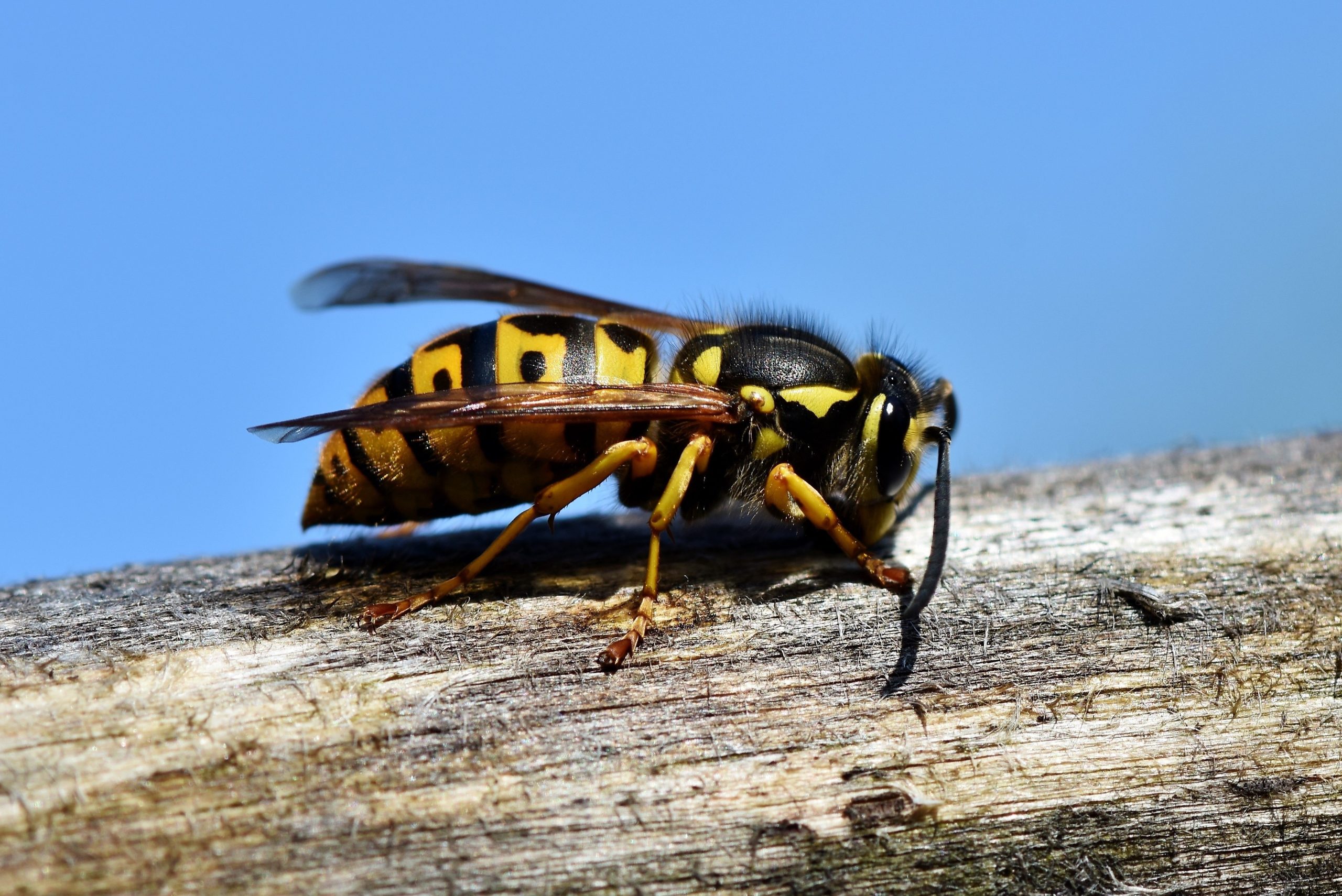
Austria is home to numerous wasp species, but only two commonly approach humans: the German wasp (Vespula germanica) and the common wasp (Vespula vulgaris). Both species currently have relatively large populations, Sturm said.
Hornets, by contrast, are encountered less frequently. Despite their reputation, they are generally considered peaceful and can also be active at night.
Hornet Stings Are Not More Dangerous Than Wasp Stings
Sturm also sought to dispel a common misconception about hornets. Although hornet venom is relatively similar to wasp venom, a hornet sting is not inherently more dangerous than a wasp sting.
Bees inject a slightly larger amount of venom than wasps and hornets, he explained. The severity of a reaction depends primarily on the individual’s sensitivity to the venom rather than simply on the insect involved.
Severe Allergic Reactions Can Develop Quickly
People who have never been stung by a bee, wasp or hornet do not need to worry about already having an insect venom allergy, Sturm said. An allergy generally develops only after previous exposure to the venom, meaning that an allergic reaction can occur from the second sting onward.
Reactions can vary considerably. Some people develop an unusually large local swelling that can persist for around a week. If the reaction is limited to the skin, an adrenaline auto-injector is generally not required, according to Sturm.
The situation becomes significantly more dangerous when symptoms affect the respiratory system or circulation. Difficulty breathing, dizziness or circulatory problems can indicate a severe allergic reaction.
“Dangerous reactions usually occur within the first ten minutes,” Sturm said, urging people with known allergies to use their emergency medication promptly if symptoms of a serious reaction appear.
Experts Urge Allergy Sufferers to Take Precautions
For people with moderate to severe insect venom allergies, Sturm strongly recommends venom immunotherapy.
During the peak of wasp season, he also advises allergy sufferers to reduce their exposure. Eating outdoors and walking barefoot through grass can increase the likelihood of encountering wasps.
“I would not sit outside and eat at the moment without treatment,” Sturm warned.
With wasp populations currently at their seasonal peak, experts say awareness and preparation are particularly important. For people with known insect venom allergies, carrying emergency medication and considering long-term immunotherapy can significantly reduce the risk of a severe or potentially fatal reaction.



This post has already been read 8774 times!